
Turf That Outcompetes Invasive Growth Patterns
Weed Control in Festus for lawns struggling with persistent broadleaf weeds and thinning grass coverage
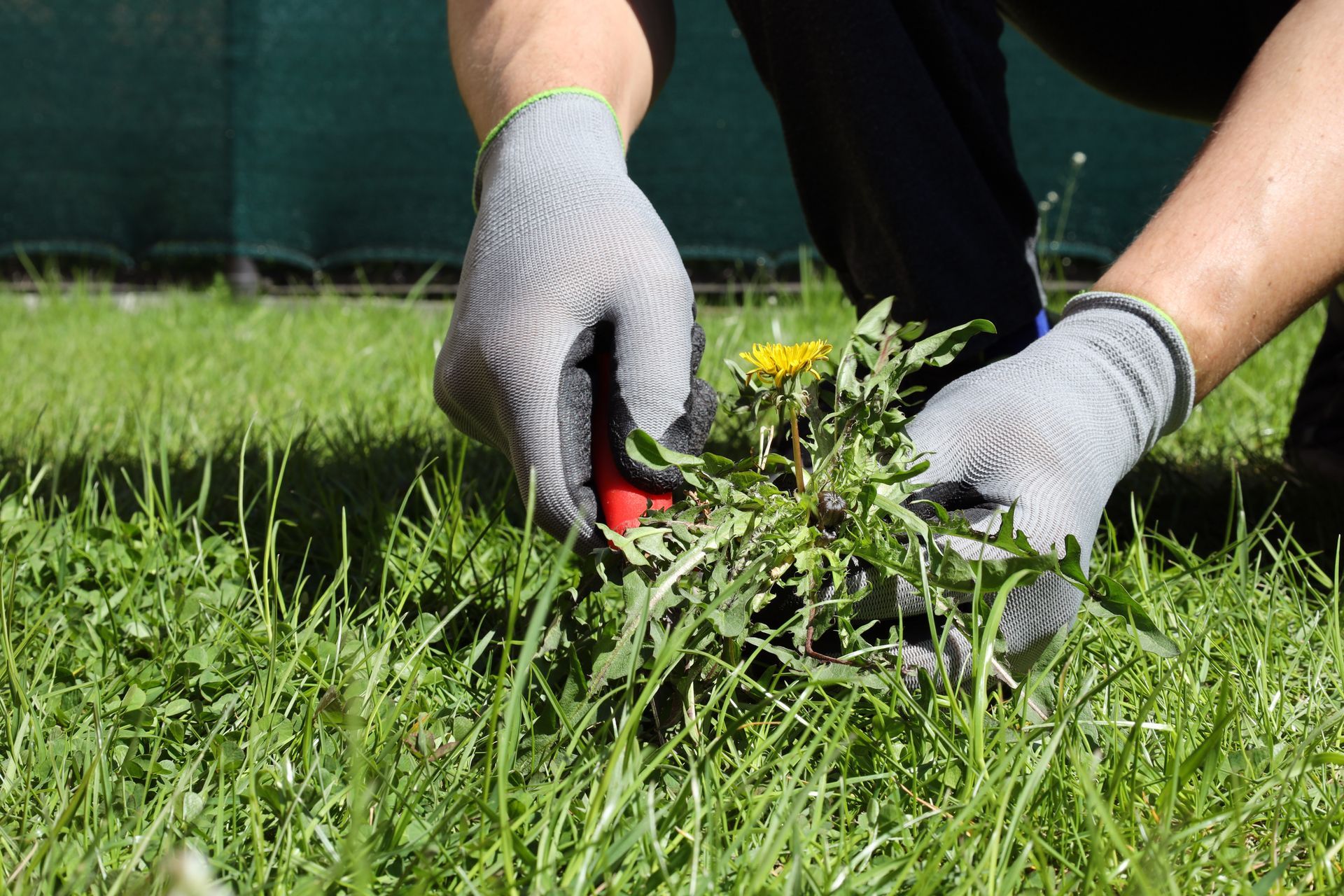
Weeds establish faster than turf in stressed lawns where soil compaction, poor drainage, or inconsistent mowing create gaps in grass coverage. Big A's Lawncare applies targeted weed control treatments customized to current lawn conditions rather than blanket applications that ignore underlying turf health issues. Treatment plans address both existing weed populations and the conditions that allow them to return, which is why effective control focuses on strengthening grass density alongside herbicide applications.
Customized plans begin with evaluating which weed species dominate the lawn, since broadleaf weeds like dandelions and clover respond to different herbicides than grassy weeds such as crabgrass. Treatments are timed based on weed growth stages, with early-season applications preventing seed formation and mid-season treatments targeting mature plants before they spread. Lawn health improvements happen when grass fills in bare spots where weeds previously established, reducing the need for repeated chemical applications over time.
Request an on-site evaluation to identify weed types and discuss treatment timing based on your lawn's current condition.
How Treatment Plans Address Root Causes
Weed control involves applying selective herbicides that target unwanted plants without damaging desirable turf, paired with recommendations to improve grass health through aeration, overseeding, or adjusted mowing height. Thin lawns allow sunlight to reach soil where weed seeds germinate, so treatments work best when combined with practices that thicken grass coverage and shade out new weed growth.
You'll notice fewer flowering weeds within two weeks of treatment as herbicides interrupt growth, and over the following months, grass spreads into areas previously occupied by dandelions or clover. Curb appeal improves when uniform green turf replaces patchy sections where broadleaf weeds created visual contrast, and mowing becomes easier without resistance from thick-stemmed weed varieties.
Treatment frequency depends on weed pressure and lawn density, with some properties requiring only seasonal applications while others benefit from multiple treatments during active growing months. The service focuses on reducing weed populations over time rather than eliminating every plant in a single application, which allows turf to recover between treatments.
Property owners in Festus often ask about treatment safety, timing, and what results to expect after applications are completed.
What should I expect after the first weed control treatment?
Weeds begin yellowing and wilting within a few days, with full dieback taking one to two weeks depending on plant maturity and weather conditions during application.
How does soil compaction affect weed growth in lawns?
Compacted soil prevents grass roots from spreading, which thins turf and creates openings where opportunistic weeds establish faster than weakened grass can fill in.
When is the best time to apply weed control treatments in Missouri?
Early spring applications target weeds before they flower and set seed, while fall treatments address perennial weeds storing energy in roots before winter dormancy.
Why do some weeds return even after treatment?
Weeds regenerate from seeds already present in the soil or from roots that weren't fully absorbed by herbicide, which is why multiple treatments across a season reduce populations more effectively than a single application.
Can weed control treatments be applied during hot summer weather?
High temperatures reduce herbicide effectiveness and increase stress on turf, so treatments are typically scheduled during cooler morning hours or delayed until temperatures moderate to avoid damaging grass.
Answers to Frequent Service Questions
Big A's Lawncare develops treatment schedules based on weed species present and seasonal growth patterns affecting your property. Contact the team to request service and begin improving your lawn's density and appearance.